Is Wheel Refurbishment Worth It Before Selling Your Car?
When preparing a car for sale, most owners focus on the obvious essentials. Service history is brought up to date, the interior is cleaned, and the exterior is washed and polished. These steps are important, but they often overlook one of the most visually influential components of the vehicle: the alloy wheels.
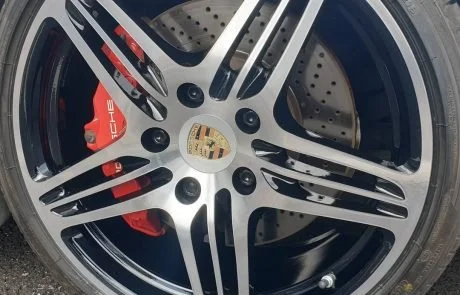
Alloy wheels sit at the intersection of function and aesthetics. They are highly visible, positioned at each corner of the car, and often one of the first things a potential buyer notices. For this reason, their condition can have a disproportionate impact on how a vehicle is perceived.
This raises a practical question for sellers: is alloy wheel refurbishment worth doing before putting a car on the market?
The answer depends not only on cost, but on how buyers interpret visual cues when assessing a vehicle.
First Impressions and Buyer Psychology
When a prospective buyer approaches a vehicle for the first time, their judgement is formed quickly. Before the engine is started or the service history is reviewed, the car’s exterior condition sets expectations.
Alloy wheels play a significant role in this initial impression. Clean, well-maintained wheels suggest that the car has been cared for. By contrast, kerb damage, corrosion or flaking finishes can create doubt. Even if the mechanical condition of the vehicle is excellent, visible wheel damage may lead buyers to question how well the car has been maintained overall.
This is not always a rational assessment, but it is a common one. Buyers often use visual condition as a proxy for mechanical reliability, particularly when viewing multiple vehicles in a short period of time.
The Impact of Damaged Alloy Wheels on Perceived Value
Kerbed or deteriorating alloy wheels rarely make a car unsellable, but they can affect both interest and negotiation.
In a competitive market, where buyers have multiple options, vehicles with visible cosmetic issues may be overlooked in favour of those that appear better maintained. Even when interest is generated, damaged wheels can become a point of negotiation, with buyers using them as justification to reduce their offer.
Importantly, the perceived cost of repair in the buyer’s mind may be higher than the actual cost of refurbishment. This can lead to disproportionately lower offers, as buyers factor in inconvenience, uncertainty and worst-case assumptions.
Refurbishing alloy wheels before sale helps remove this uncertainty. It presents the vehicle in a condition that aligns more closely with buyer expectations and reduces the likelihood of price negotiation based on visible defects.
Cost vs Return: Is It Financially Worthwhile?
From a purely financial perspective, alloy wheel refurbishment is often a relatively modest investment compared to other pre-sale improvements.
While it may not always increase the advertised price of the vehicle directly, it can influence how quickly the car sells and how close the final sale price is to the asking price.
In many cases, the benefit lies in reducing friction during the sales process. A car that presents well is more likely to attract serious buyers, generate confidence and avoid prolonged negotiation.
For higher-value vehicles, or those in particularly competitive segments, the impact can be more pronounced. Buyers in these markets often expect a higher standard of presentation, and visible imperfections can stand out more clearly.
Refurbishment vs Leaving Wheels As-Is
Some sellers choose to leave alloy wheels in their current condition, particularly if the damage is relatively minor. This approach avoids upfront cost, but it shifts the burden onto the buyer.
In doing so, it introduces uncertainty. Buyers may question the extent of the damage, the cost of repair or whether other aspects of the car have been similarly overlooked.
Refurbishment removes this ambiguity. It allows the seller to present the vehicle as a complete, well-maintained package, rather than one that requires additional work after purchase.
The Importance of Proper Refurbishment
Not all refurbishment methods deliver the same result, and this is particularly important in a sales context.
Cosmetic or partial repairs may improve appearance temporarily, but inconsistencies in finish or colour matching can still be noticeable under closer inspection. Buyers who are paying attention to detail may recognise these differences.
A full refurbishment, where the entire wheel is properly prepared and refinished, provides a more consistent and professional result. This aligns more closely with the expectations of buyers and supports the overall presentation of the vehicle.
When Refurbishment Makes the Most Sense
Alloy wheel refurbishment is particularly worthwhile in the following situations:
When wheels have visible kerb damage or corrosion
When preparing a car for private sale or dealership part exchange
When selling a higher-value or premium vehicle
When aiming to achieve a strong first impression in a competitive market
In these scenarios, the visual impact of clean, well-finished wheels can make a meaningful difference to buyer perception.
Presentation as Part of the Sales Strategy
Selling a car is not purely a transactional process. It involves presentation, perception and trust. Buyers are more likely to engage with a vehicle that appears well cared for, and small details often contribute to that impression.
Alloy wheels are one of those details. Because they are so visible, their condition can either reinforce or undermine the overall presentation of the car.
Investing in refurbishment before sale is therefore not just about appearance. It is about aligning the condition of the vehicle with the expectations of potential buyers.
A Considered Approach to Pre-Sale Preparation
At The Wheel Specialist, alloy wheel refurbishment is approached as part of a broader understanding of vehicle presentation. The goal is not simply to improve how the wheels look in isolation, but to enhance how the entire vehicle is perceived.
By restoring wheels to a consistent, high-quality finish, refurbishment supports the overall impression of care and maintenance that buyers look for.
In many cases, this makes the difference between a car that attracts interest and one that stands out for the right reasons.